Crucial Automotive Repair Tips: Ensure Your Vehicle Runs Efficiently and Cut Costs!
Keeping up a vehicle is crucial for performance and longevity. Consistent upkeep can avoid costly repairs and provide a smooth ride. Basic checks, such as tire pressure and fluid levels, are essential. Yet, many car owners neglect the importance of having the right tools and knowledge for DIY repairs. Knowing when to address issues independently and when to seek professional help can make all the difference. What are the best practices to keep a vehicle in top condition?
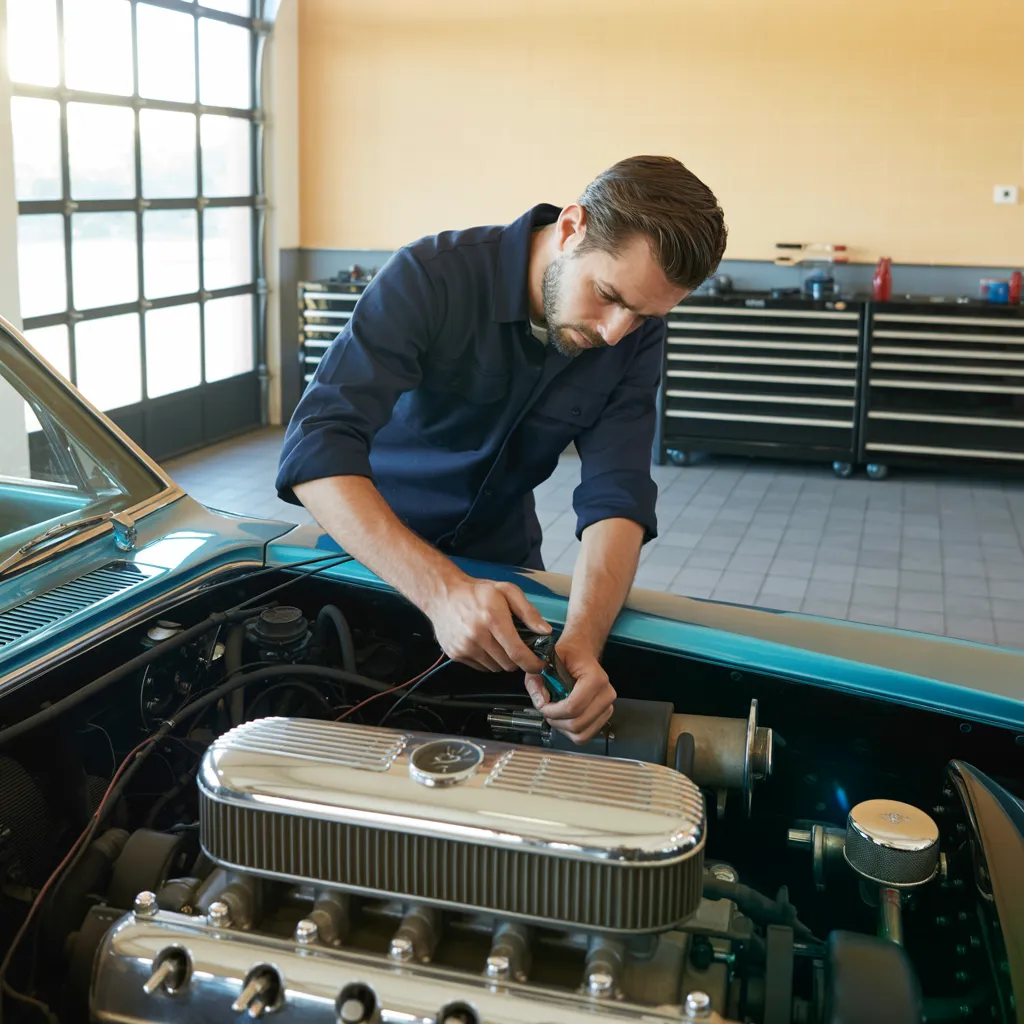
Conducting Standard Maintenance on Your Vehicle
In terms of vehicle maintenance, regular routine maintenance is essential for ensuring peak performance and longevity. This process commences with checking fluid levels, including oil, coolant, and brake fluid, to prevent overheating and sustain braking efficiency. Tire maintenance is just as critical; owners should regularly inspect tire pressure and tread depth to boost safety and fuel efficiency.
Additionally, routine checks of belts and hoses can avoid unforeseen breakdowns. Updating the oil and updating filters according to manufacturer specifications also promotes engine performance.
In addition, maintaining the vehicle clean, both internally and externally, protects the paintwork and interior surfaces from deterioration. Ultimately, recording maintenance activities assists in monitoring the vehicle's health over time, enabling better decision-making related to repairs and replacements. By practicing these procedures, vehicle owners can considerably lengthen their car's lifespan and increase its reliability on the road.
Important Tools All Car Owners Need
Possessing the right tools can greatly streamline automobile maintenance and repairs, enabling vehicle owners to handle minor issues before they worsen. Basic tools include a quality set of wrenches and sockets, which are vital for releasing or tightening various bolts and nuts. A torque wrench is also important for guaranteeing proper tightness, especially for critical components.
Moreover, a complete tool kit should feature screwdrivers of assorted sizes, pliers, and a hammer. A jack and jack stands are necessary for safely lifting the vehicle during tire changes or undercarriage inspections.
An OBD-II scanner is invaluable for detecting engine troubles, delivering details on trouble codes. Moreover, owning a tire pressure gauge guarantees ideal tire health. Finally, a basic first aid kit can be a critical resource in emergencies. With these fundamental tools, car owners can successfully tackle typical repair and maintenance activities, ultimately saving money and extending vehicle life.
Basic Auto Checks You Can Handle Yourself
Regular maintenance can greatly extend a vehicle's lifespan, and basic checks are effortless to complete. Monitoring tire pressure and examining fluid levels are two important tasks each vehicle owner can handle. By remaining diligent about these checks, drivers can confirm their vehicles remain in top shape.
Check Your Tire Pressure Regularly
Keeping tires properly inflated is vital for both safety and efficiency of your vehicle, as underinflated or overinflated tires can lead to poor fuel economy and premature tire degradation. Routine tire pressure checks are a straightforward but powerful method to improve vehicle performance and extend tire longevity. Vehicle owners should utilize a reliable tire pressure gauge to measure the pressure when the tires are cold, as driving-generated heat can affect measurements. The ideal pressure values are generally found on a sticker located on the driver's side door frame or in the manual. It is recommended to monitor tire pressure no less than once per month, and prior to extended journeys, to guarantee ideal handling and safety. Regular checks can help avoid costly repairs and improve the general driving experience.
Monitor Vehicle Fluids Frequently
Once you've confirmed that tire pressure is within the recommended range, drivers should direct their attention to inspecting fluid levels regularly. Maintaining proper fluid levels is crucial for the vehicle's durability and performance. Key fluids to monitor include engine oil, coolant, brake fluid, transmission fluid, and windshield washer fluid. Each of these play a vital role in ensuring the vehicle functions smoothly and safely. Drivers should review their owner's manual for specific levels and recommendations. Regular inspections can help identify leaks or low levels before they result in more serious issues. By making fluid checks a consistent part of vehicle maintenance, drivers can avoid costly repairs and boost their car's reliability on the road.
Fixing Standard Auto Issues at Home
What methods can vehicle owners use to effectively diagnose typical problems at home without expert assistance? Initially, it's crucial to become familiar with the vehicle's owner manual, which often contains troubleshooting sections for different issues. For example, if the engine doesn't start, inspecting the battery connections and ensuring the battery is charged is a practical initial approach.
Should warning lights show up on your dashboard, research the specific light's meaning, as this can signal various issues. Listening for unusual sounds, such as grinding or squeaking, can also offer insights into potential problems.
Furthermore, examining the tires for adequate inflation and tread wear can prevent further complications. Consistently examining for leaks beneath the vehicle can also help identify issues early. By utilizing these approaches, car owners can effectively detect and address minor problems, likely saving money on unnecessary repairs.
Practical Advice to Maximize Your Vehicle's Service Life
Prolonging a vehicle's lifespan necessitates a preventive approach to maintenance and care. Consistent oil changes are essential, as they ensure the engine runs effectively and smoothly. Drivers should also regularly check and replace air filters, which can boost performance and fuel efficiency. Furthermore, maintaining proper tire pressure and rotating tires regularly can stop uneven wear and extend tire life.
Other vital maintenance practices include keeping track of fluid levels—such as coolant, brake fluid, and transmission fluid—and replacing them as needed. Keeping your car clean, both inside and out, helps prevent rust and corrosion, especially in areas with harsh weather conditions.
Finally, following the factory-recommended maintenance schedule is vital. This includes checking belts, brakes, and battery health. By applying these practical tips, vehicle owners can substantially prolong the lifespan of their automobiles while optimizing reliability and performance.
When to Bring in Expert Technicians for Repairs?
Recognizing when to seek professional support for auto repairs is essential for maintaining vehicle safety and performance. Indicators such as engine warning lights, unusual noises, or vibrations, and complex electrical issues often signal that a mechanic's expertise is needed. Addressing these concerns promptly can prevent further damage and costly repairs in the long run.
Recognizing when to seek professional assistance for auto repairs is crucial for upholding vehicle safety and performance. Signs such as engine warning lights, unusual noises, or vibrations, and complex electrical problems often signal that a mechanic's expertise is needed. Addressing these concerns promptly can prevent further damage and costly repairs in the long run.
Understanding when to seek professional help for auto repairs is vital for preserving vehicle safety and performance. Signs including engine warning lights, unusual acoustic disturbances, or vibrations, and complex electrical problems often suggest that a mechanic's expertise is needed. Addressing these concerns quickly can prevent further damage and costly repairs in the long run.
Understanding when to seek professional support for auto repairs is crucial for preserving vehicle safety and performance. Signs like engine warning lights, unusual noises, or vibrations, and complex electrical issues often signal that a mechanic's expertise is required. Addressing these concerns immediately can stop further damage and costly repairs in the long run.
Understanding when to pursue professional help for auto repairs is vital for maintaining vehicle safety and performance. Signs including engine warning lights, unusual acoustic disturbances, or vibrations, and complex electrical malfunctions often indicate that a mechanic's expertise is required. Handling these concerns quickly can stop further damage and expensive repairs in the long run.
Recognizing when to seek professional support for auto repairs is vital for maintaining vehicle safety and performance. Signs such as engine warning lights, unusual sounds, or vibrations, and complex electrical problems often indicate that a mechanic's expertise is necessary. Addressing these concerns promptly can prevent further damage and expensive repairs down the road.
Knowing when to pursue professional support for auto repairs is vital for preserving vehicle security and performance. Indicators including engine warning lights, unusual noises, or vibrations, and complex electrical issues often signal that a mechanic's expertise is required. Addressing these concerns quickly can avoid further damage and expensive repairs access this information down the road.
Recognizing when to pursue professional help for auto repairs is crucial for maintaining vehicle safety and functionality. Signs including engine warning lights, unusual sounds, or vibrations, and complex electrical problems often signal that a mechanic's expertise is needed. Addressing these concerns immediately can prevent further damage and costly repairs down the road.
Engine Warning Lights
When should a driver seek professional assistance for engine warning lights? Drivers ought to contact a mechanic immediately when an engine warning light appears on their dashboard. Disregarding these indicators can result in more serious issues, including engine harm or decreased fuel efficiency. It is important to distinguish between warning lights; as an example, the check engine light can indicate multiple issues, from minor to critical. If the light occurs alongside unusual activity, such as stalling or overheating, immediate professional inspection is essential. In addition, if the light persists after executing basic troubleshooting, such as verifying the gas cap, it is prudent to obtain expert help. Timely intervention can save money and guarantee the vehicle runs smoothly.
Uncommon Noises or Vibrations
How should a driver respond when noticing abnormal sounds or feeling vibrations while driving? The foremost action is to keep calm and examine the conditions. If the noises or vibrations don't cease, the driver should securely pull over and turn the engine off. Close listening can aid in identifying the source—whether grinding, rattling, or humming sounds. These symptoms often indicate potential issues with the engine, brakes, or suspension. Overlooking them may lead to more significant complications and costly maintenance. If the driver cannot determine the cause, it's wise to contact a professional mechanic. Prompt action can avoid additional damage and improve vehicle safety, guaranteeing a better driving experience.
Intricate Electrical Issues
How can a driver tell if their car's electrical problems exceed their skill level? When dealing with recurring electrical malfunctions, such as blinking illumination, defective sensors, or a battery that keeps failing after being replaced, it may be time to seek professional help. If the driver encounters warning lights on the dashboard or experiences difficulty starting the vehicle, these symptoms point to complex issues that often require specialized diagnostic tools. Moreover, if attempts to troubleshoot—including examining fuses or electrical connections—don't solve the concerns, it is wise to contact an experienced technician. Vehicle electrical systems can be complicated and demand professional understanding to prevent worsening the problem, securing safe and reliable operation.
Economical Vehicle Maintenance Tips
Several car owners seek affordable auto repair tips to maintain their vehicles without overextending their budgets. One proven strategy consists of performing regular maintenance, such as oil changes and tire rotations, which can avert pricey repairs in the long run. Car owners should also become acquainted with their vehicles' manuals to learn recommended service intervals and procedures.
In addition, obtaining parts from reliable aftermarket suppliers can generate significant savings in contrast to dealership prices. Engaging in DIY repairs for minor issues, like replacing air filters or wiper blades, can also reduce labor costs. Auto owners might consider joining community car clubs or online forums, where guidance and shared experiences can offer valuable insights and potential discounts on parts and services.
Finally, consistently inspecting tire pressure and fluid levels can boost fuel efficiency and increase vehicle life, making these straightforward practices an essential part of budget-friendly vehicle maintenance.
Common Questions
How Often Should I Change My Oil Filter?
An oil filter should typically be changed every 3,000-5,000 miles, based on the vehicle and type of oil used. Regular maintenance guarantees optimal engine performance and longevity, keeping contaminants from impacting the oil system.
What's the Best Fuel Choice for My Vehicle?
The best fuel type for a vehicle is based on its manufacturer specifications. In most cases, regular unleaded gasoline is adequate for many models, while premium fuel may enhance performance in high-performance vehicles, ensuring peak engine efficiency and longevity.
When Should I Replace My Tires?
To establish whether tires require replacement, check for tread wear indicators, visible cracks, bulges, or uneven wear. Additionally, a depth gauge can measure tread depth; under 2/32 inches typically signals replacement is essential.
How Can You Tell If Your Battery Is Failing?
Signs of a failing battery include problems starting the vehicle, reduced brightness of headlights, corrosion on battery terminals, a distended case, and common electrical issues. Consistent testing and inspection can help identify these warning signals early to prevent breakdowns.
Should I Wash My Car During Winter?
Yes, washing a car during winter is feasible and beneficial. It assists in removing salt and grime that can cause corrosion. Nonetheless, one should guarantee the temperature allows for proper drying to stop freezing.